“We have developed these programs in response to the needs expressed by the community.“
La Casita is a non-denominational centre of learning and a supportive environment for the children, youth and vulnerable elders of San Antonio Palopό, Guatemala, in response to locally identified health and education needs and delivered by local indigenous people..

Learning Centre
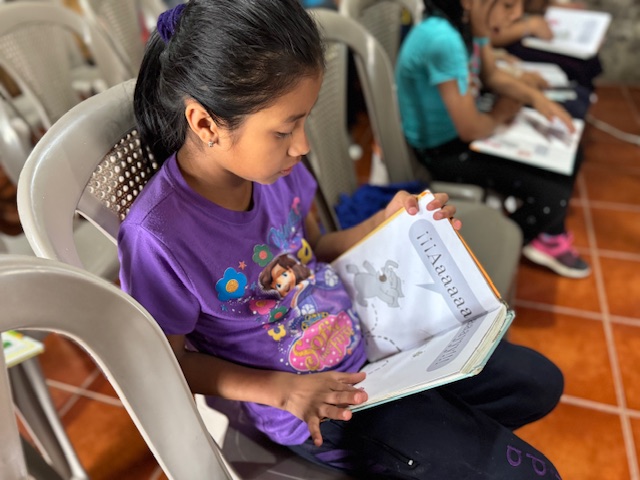
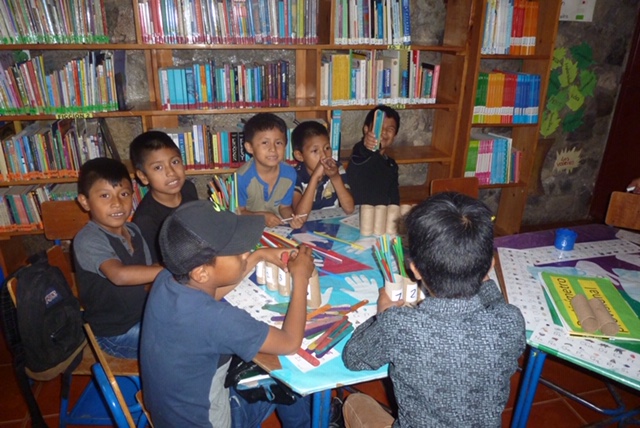
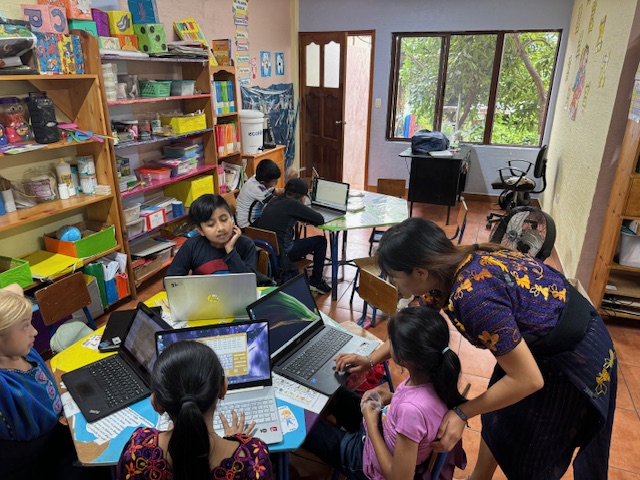
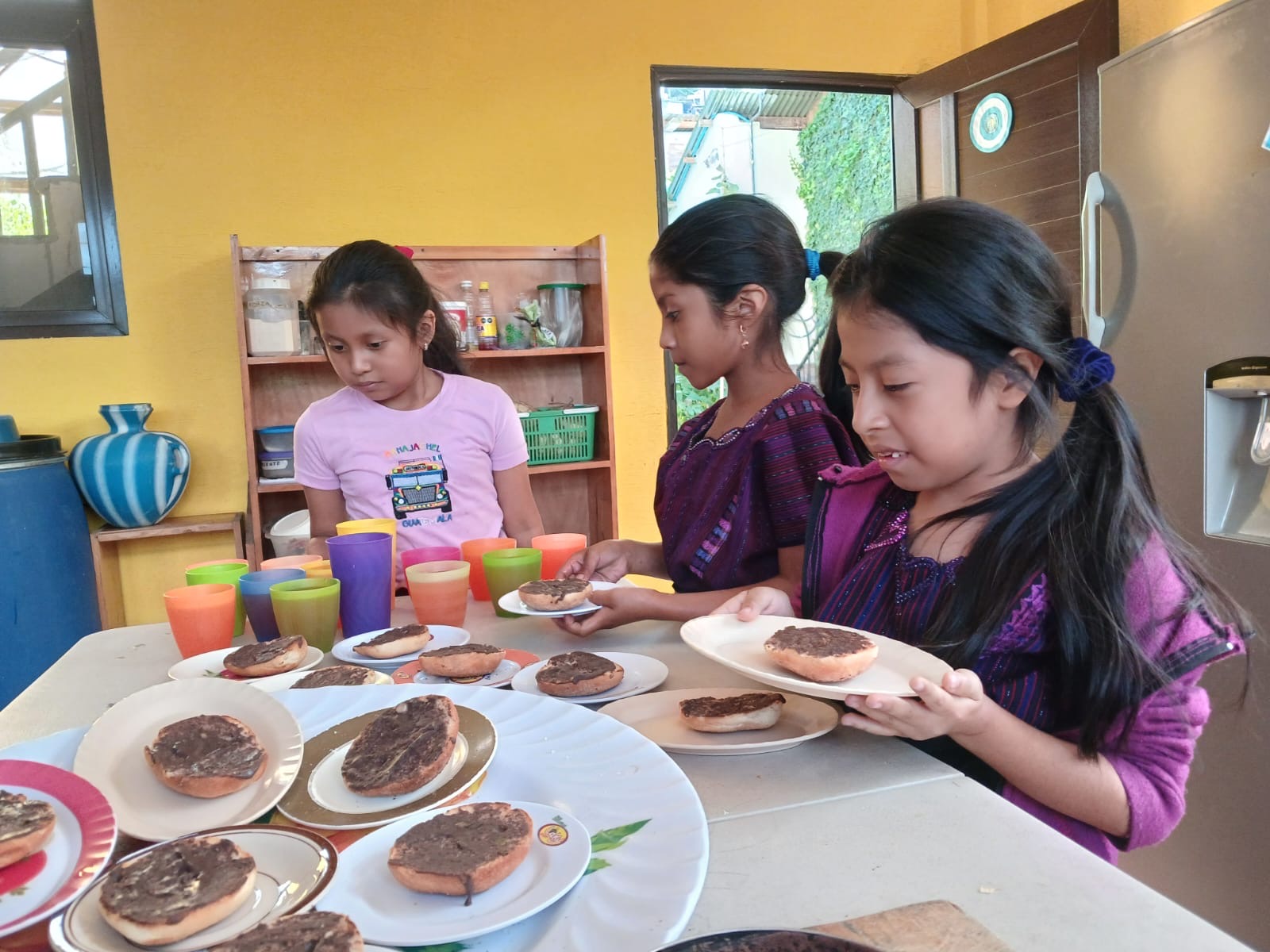
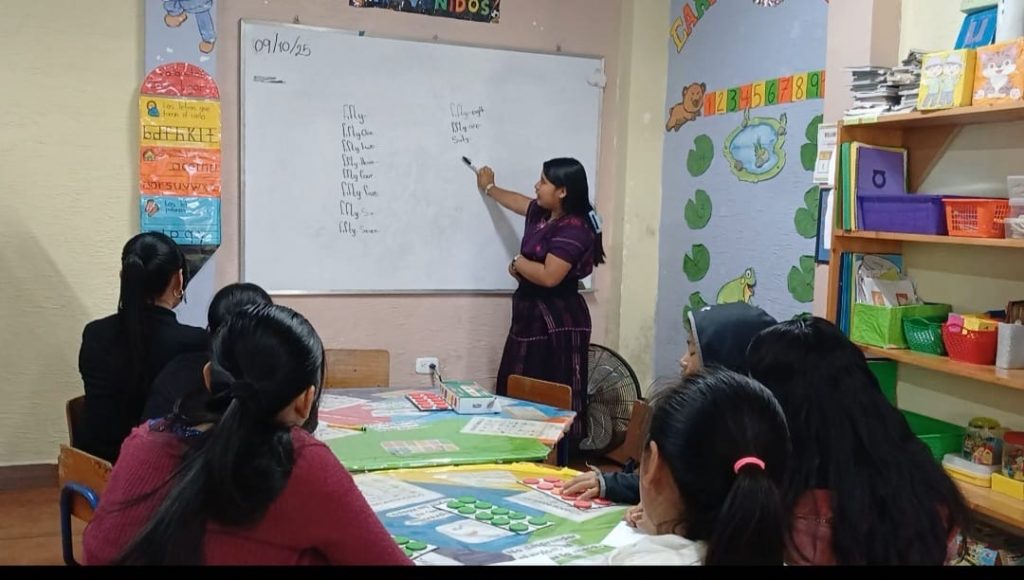
La Casita is a buzzing community hub, busy throughout the week. Over 100 children attend each week, for tutorial help provided by qualified teachers. Many students are referred by teachers in the three public schools. Snacks are usually at hand to keep up their energy. The library is a safe and secure spot to work on their math and language skills. The children learn communication skills to increase their self confidence and computer skills for greater access to information. At night, computer, English and entrepreuneurial classes are offered for adult learners. Parent consultation is regularly offered along with health and nutrition workshops.
Guatemala’s Central and Western Highlands exhibit one of the most extreme combinations of systemic poverty , illiteracy and inequality in the hemisphere. The indigenous populations that inhabit these regions suffer from malnutrition (rates which rank among the worst in the world), poor health outcomes, racism, high rates of illiteracy, and low levels of educational attainment. Together, these factors virtually guarantee that the next generation will be no better off than the last.
La Casita provides a safe and secure place to learn, envision their dreams, and socialize.


Scholarships
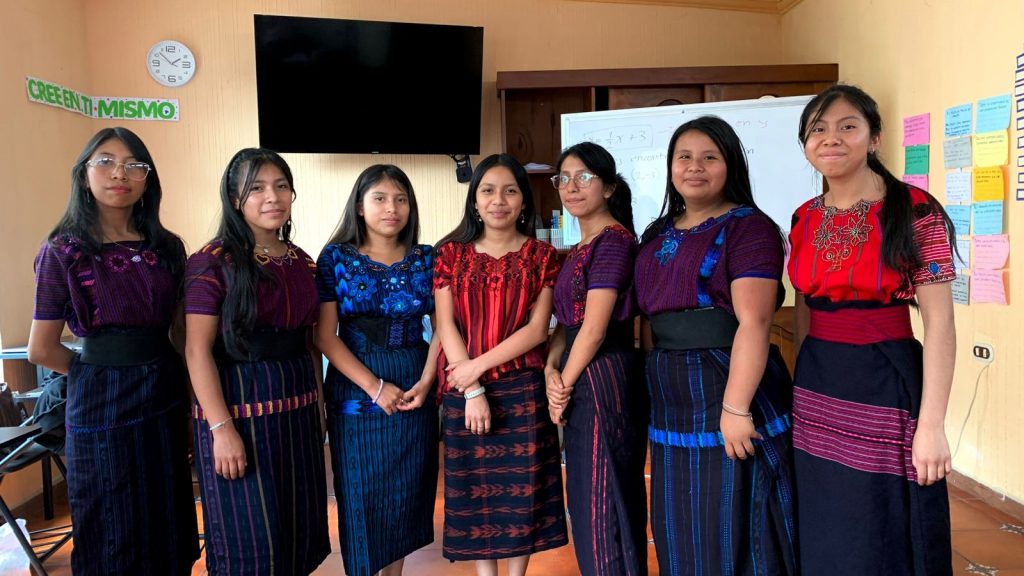
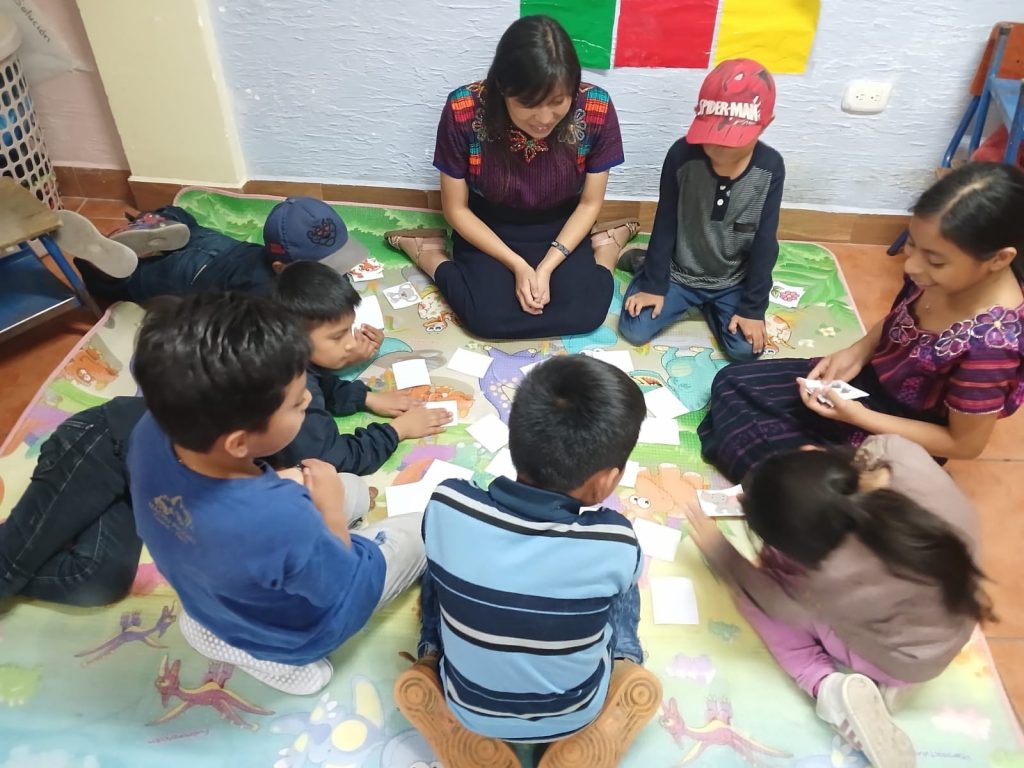
Scholarships are given to impoverished but bright and motivated students who have attended La Casita, and have proven to be determined to excel in school and be able to make meaningful contributions to their community. La Casita’s support systems help equip them to become leaders by supporting them in Middle School and High School, and hopefully in University or a trade school, so that they can excel and overcome the daunting and persistent barriers facing rural, indigenous children. They, in turn, volunteer to work with the younger students on math, computer, and reading skills – inspiring the young ones to stay focused on their education and realize their dreams.
Poverty, lack of education, and inequality in the country are persistently high, with Indigenous Peoples continuing to be particularly disadvantaged. In 2024 57.3% of Guatemalans live in poverty, with an average income of $6.85 per day. And, 79% indigenous Guatemalans live in poverty. The typical Mayan labourer earns less than $4 a day. Job quality is low and female labour force participation is one of the lowest in the region, around 33 %.


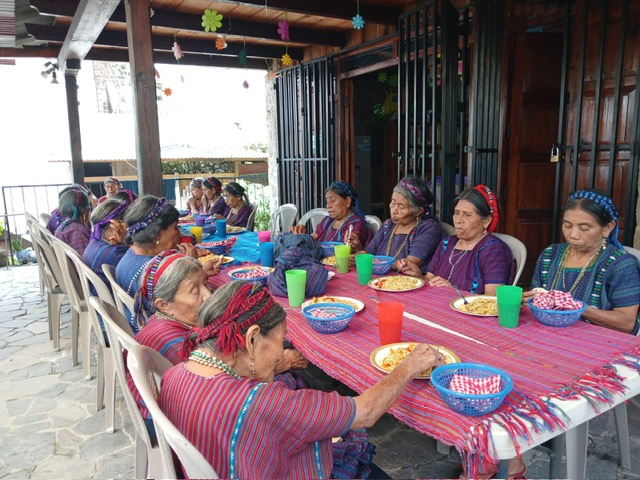
Ancianas
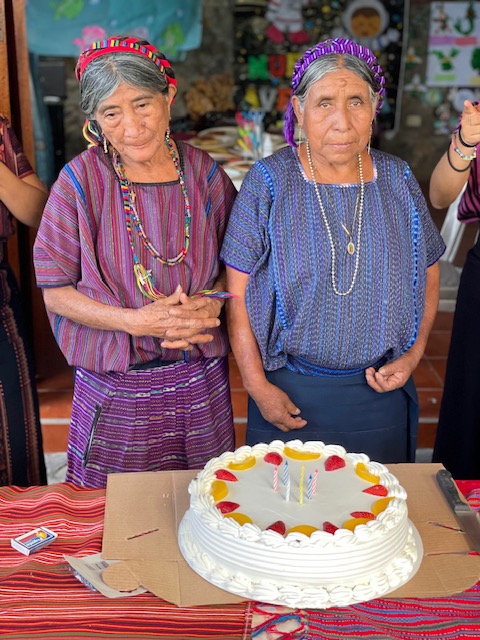
Twice a week, La Casita provides a hot lunch for the elderly widows in the community. Many live on their own without family support and are often quite isolated. They love this social time and have fun doing different crafty projects. Once a month their shared birthdays are celebrated.